Low Back Pain

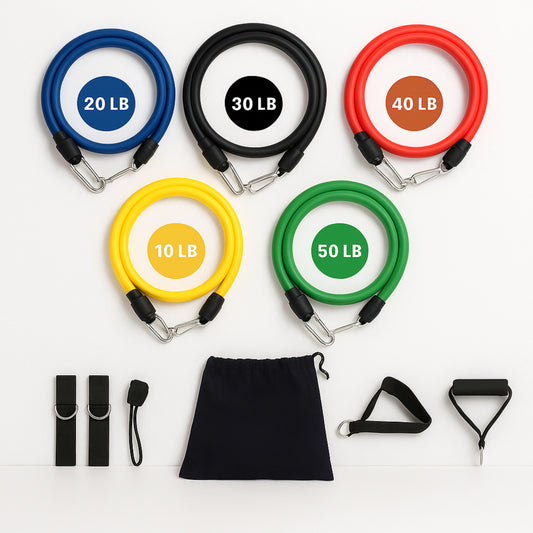
Low back pain responds best to a daily mix of mobility work, core endurance, and gentle strengthening — not bed rest. EquipCore's stability ball, resistance loops, yoga strap, and tubes give you the exact tools PTs use for low back pain recovery.

Low Back Pain
  • PT-Approved
  • 30-Day Return Guarantee
  • Free U.S. Shipping over $50

What is Low Back Pain?

Low back pain (LBP) is the world's leading cause of disability, but most cases respond well to daily movement and PT-guided strengthening. Outpatient programs typically build around three pillars: mobility (cat-cow, hamstring stretch, McKenzie press-ups), core endurance (dead bugs, bird dogs, side planks, glute bridges), and progressive hip and glute strengthening (band walks, clamshells, hip hinges). The tools above cover each pillar — a small stability ball for core, looped bands for hip and glute work, and a non-elastic strap for hamstring and piriformis stretching.

Common questions

What equipment helps with low back pain at home?

A small pilates ball, looped resistance bands, a non-elastic stretch strap, and a resistance tube set cover the most common PT-prescribed back drills — glute bridges, ball squeezes, clamshells, lateral band walks, hamstring stretches, and standing hip work. None of these require a gym.

What are the best exercises for low back pain?

Most evidence-based plans pair mobility (cat-cow, pelvic tilts, McKenzie press-ups), core endurance (dead bugs, ball squeezes, side planks, glute bridges), and hip strengthening (band walks, clamshells, hip hinges). 10–15 minutes per day of this mix is more effective for chronic LBP than long single-session workouts.

How does a Pilates ball help with back pain?

A 25 cm Pilates ball improves glute bridges and dead bugs by giving you a pliable target — squeezing the ball between your knees activates the inner thighs and pelvic floor, which stabilize the lumbar spine.

Are resistance bands good for low back pain?

Yes — especially looped mini-bands. Lateral band walks, monster walks, and clamshells with a band around the thighs strengthen the gluteus medius, which is the #1 muscle group implicated in chronic mechanical LBP. Light tubes also support standing rows and pull-aparts for upper-back posture work.

Should I rest or exercise when my low back hurts?

Current PT guidelines say gentle daily movement beats bed rest for most non-traumatic back pain. Walking, McKenzie press-ups, cat-cow, and pelvic tilts within a comfortable range usually help. Avoid heavy lifting and prolonged sitting on the worst days, but keep moving — full bed rest past 1–2 days usually delays recovery.