Hip Replacement

Total hip replacement recovery centers on restoring hip flexion, abduction, and stability over 6 to 12 weeks. Depending on the approach your surgeon uses you will have to adhere within strict surgeon-set precautions. EquipCore's slide board and pilates ball give you the surfaces PTs use for the daily hip-flexion and abduction along with core and adductor-activation drills that protect your new joint.

Hip Replacement
  • PT-Approved
  • 30-Day Return Guarantee
  • Free U.S. Shipping over $50

What is Total Hip Replacement?

Total hip replacement (THR) is surgery that replaces the hip joint with a prosthetic ball and socket — most often through a posterior or anterior approach. The first 6 weeks center on protected motion pending surgeon instruction: hip flexion and abduction slides, gentle glute and core activation, are all part of a basic home exercise program the first couple of weeks. Daily home reps make the difference between a 6-week return to walking and a 12-week one. The tools above support the slide drills and core exercises outpatient PTs prescribe during early THR rehab.

Common questions

What equipment do I need for hip replacement recovery?

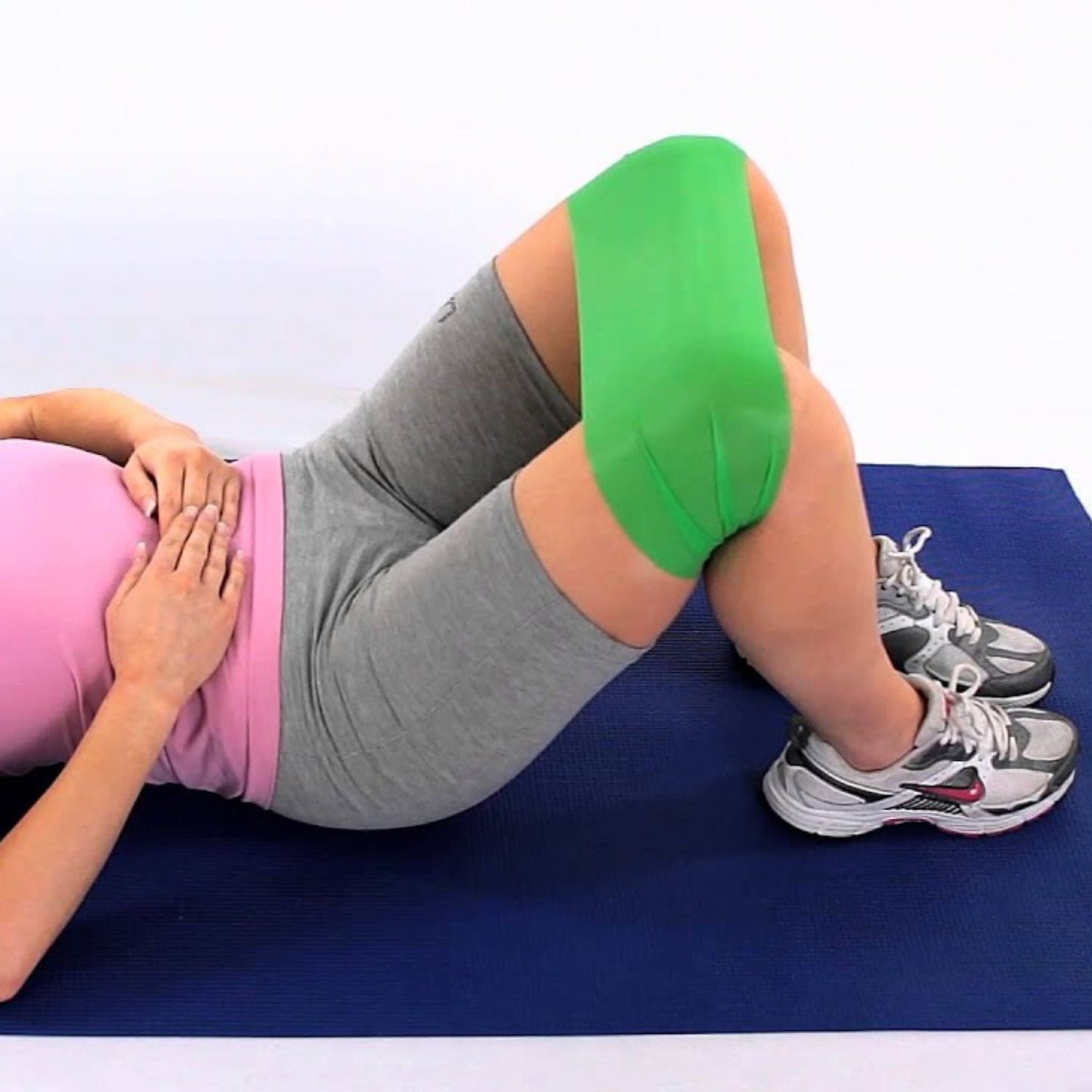
Most THR patients use a low-friction slide board for hip flexion and abduction slides, a small stability ball for glute bridges and core activation, and a long-handled grabber for daily tasks within hip precautions. PTs sometimes add a resistance band once the surgeon clears strengthening at 4–6 weeks.

What exercises can I do after a hip replacement?

Daily early exercises include ankle pumps, glute sets, quad sets, hip flexion slides, hip abduction slides, and short walks with a walker. Most plans add bridges and seated marching by week 2–3 and standing hip exercises by week 4 — always within surgeon-set precautions.

What are the standard hip replacement precautions?

For posterior-approach THR, avoid bending past 90° at the hip, crossing the operated leg over midline, and turning the foot inward — typically for the first 6 weeks. Anterior approach often has fewer restrictions. Always follow your surgeon's exact written precautions, since approach and prosthesis design vary.

What's the difference between hip flexion and hip abduction exercises?

Hip flexion brings the thigh forward toward the chest (sliding your foot toward your body). Hip abduction moves the leg outward to the side (sliding your foot sideways away from midline). Both are essential after THR — flexion restores forward range, abduction restores side-to-side strength and stability.

Can I use a slide board after a hip replacement?

Yes. A low-friction slide board makes hip flexion and abduction slides smoother and less painful in early THR recovery — letting your foot glide without dragging on bedsheets or carpet. Stay strictly within your surgeon's prescribed range of motion and hip precautions while practicing.